Amazon Seller Code of Conduct Violation: What It Covers and How to Appeal It
If you received an amazon code of conduct violation notice, the first step is to identify exactly which behavior Amazon flagged. A Code of Conduct violation is Amazon’s catch-all for behavior it considers manipulative or dishonest toward buyers or the platform — review manipulation, misuse of another seller’s data, creating a second account to evade a suspension, or coordinating pricing with competitors. These appeals need to show the behavior has stopped, not just that it was a misunderstanding.
What Triggers This Flag
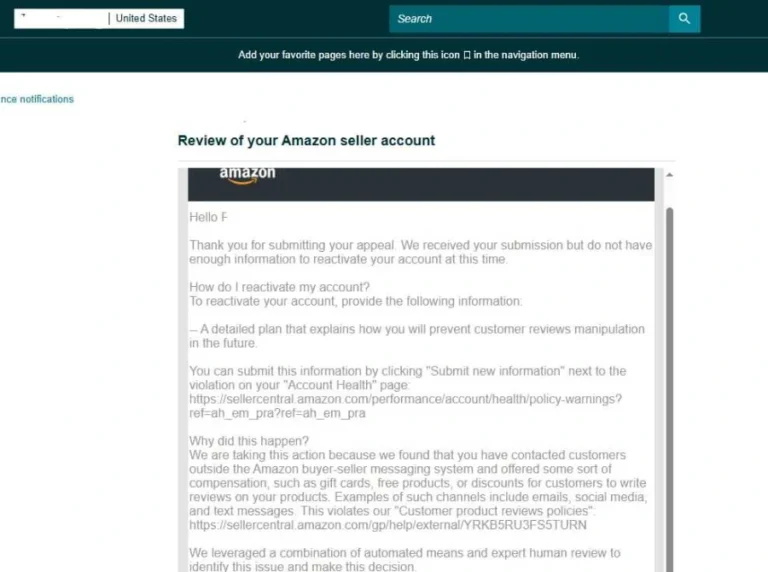
- Incentivized or fake reviews traced back to your account
- A second seller account created without disclosure
- Misuse of buyer-seller messaging outside policy
Writing a Credible Appeal
Acknowledge the specific action Amazon flagged, explain the concrete change (a new review-management process, an ended vendor relationship, closed duplicate account), and show it in writing — not just a promise going forward.
Quick Answers
Is this different from a policy violation suspension?
Yes — Code of Conduct issues focus on integrity and honesty toward the platform and buyers, while most other suspensions focus on product or listing compliance.
Not sure which category your case falls into? Get a free case review and we’ll map the fastest path back to selling.
How to Respond to an Amazon Code of Conduct Violation
After an amazon code of conduct violation, start by matching the notice to your own activity. Read the exact wording Amazon used, then review the areas it points to: recent reviews, buyer-seller messages, any second account, and any pricing or listing practices that could look coordinated. Amazon rarely names the specific evidence in the notice, so an honest review of your own records is what turns a vague flag into a concrete plan.
A strong response to an amazon code of conduct violation follows four steps: acknowledge the specific action, show the behavior has stopped, describe the concrete changes you made, and provide evidence for each claim. Name what happened in plain language, explain what you changed in your process or tools, and attach supporting records where they genuinely exist. Vague apologies without evidence rarely persuade reviewers in integrity cases.
There are also things that make an amazon code of conduct violation worse. Do not deny clear evidence, do not open a new account to work around the suspension, and do not ask buyers to change or remove reviews. Check your notices in Amazon Seller Central and reply to any request for more information promptly. The Amazon appeal process explains how integrity reviews progress, and our complete guide to every suspension type puts Code of Conduct cases in context. If you are unsure how to frame your case, get a free case review before submitting.
Frequently Asked Questions
Can I get reinstated after review manipulation?
It depends on the severity and your history. An amazon code of conduct violation involving reviews can sometimes be resolved when you show the behavior has stopped, explain what changed in your process, and provide evidence that supports your account. Cases with repeated or large-scale manipulation are harder, and an honest assessment matters more than a confident promise.
Should I mention the agency or assistant who did it?
You remain responsible for your account, even when someone else carried out the activity. Explain what happened, what you changed, and how you oversee the work now. Shifting blame to a third party without showing your own corrective steps usually weakens the appeal.
How long does a Code of Conduct appeal take?
It varies. An amazon code of conduct violation case often needs manual review, so it can take longer than a straightforward policy appeal. Wait for a response before following up, and reply promptly if Amazon asks for more information.
Will Amazon tell me exactly what I did?
Usually not in detail. Notices for Code of Conduct cases tend to describe the policy in general terms. Review your own activity for the behaviors Amazon lists, address the matches you find with evidence, and avoid guessing about details you cannot support.