How to Appeal an Amazon Suspension When You Don’t Know Where to Start
If you need to appeal an amazon suspension, do not start by writing. The first step in appealing any Amazon suspension isn’t writing — it’s translating the notice into three plain questions: what specific policy was violated, what evidence would prove it’s resolved, and what changes prevent it from happening again. Sellers facing their first suspension usually lose the most time not because the appeal is hard to write, but because they start writing before they’ve answered those three questions.
Start By Reading the Notice Like a Checklist
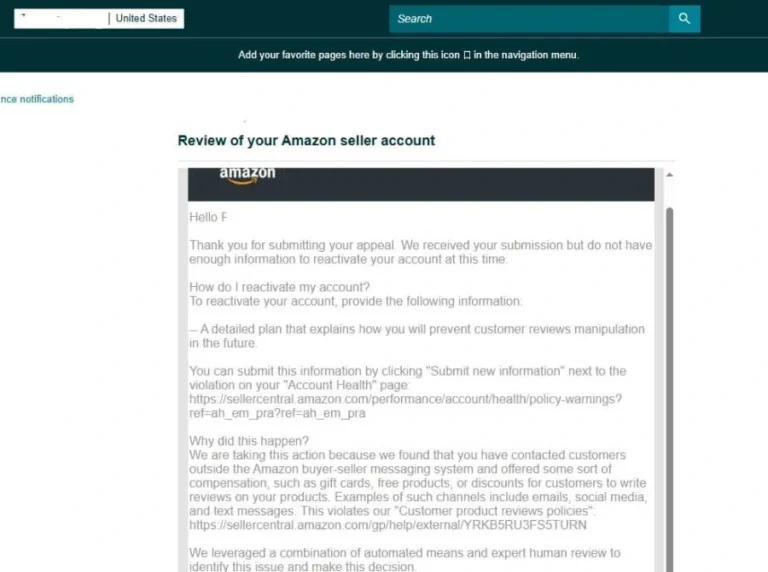
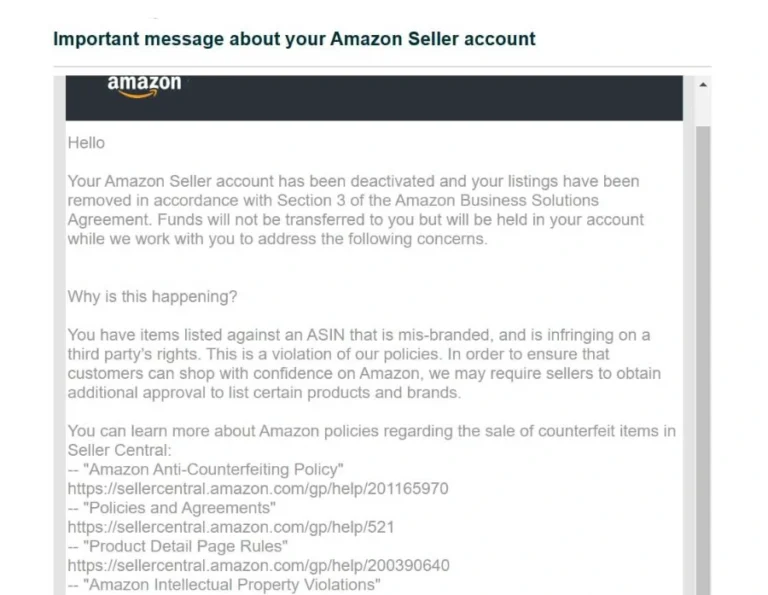
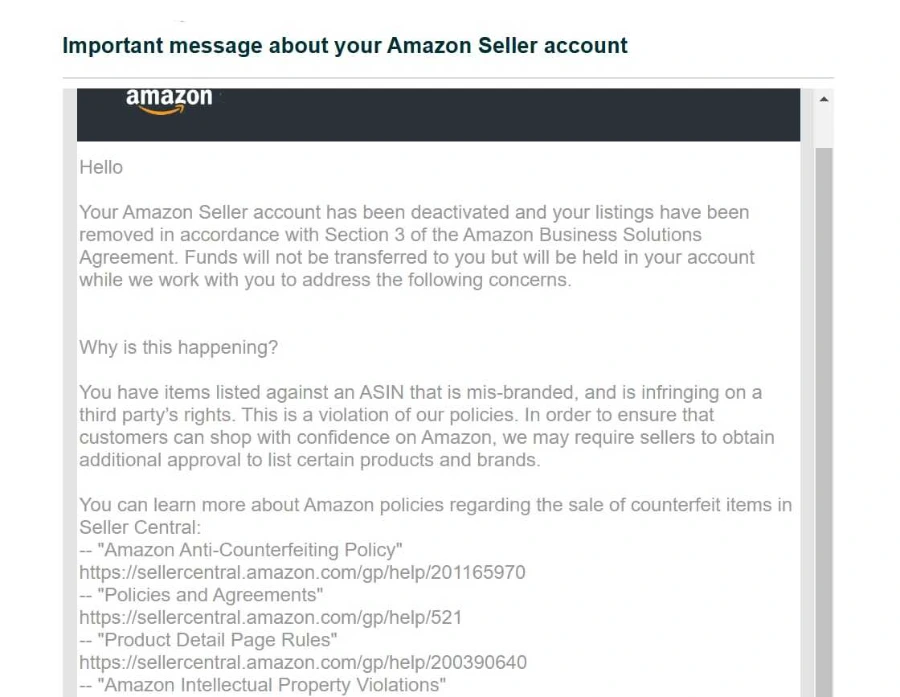
Amazon’s suspension notices are formulaic, even though they don’t read that way at first. Look for three things: the specific policy section referenced (often a number or named policy), any order IDs or ASINs cited, and whether a deadline is mentioned. These three details determine everything about how the appeal should be structured — skipping this step is why so many first-time appeals miss the actual issue.
Figure Out Which Category You’re In
- Policy violation — something about a listing or product broke a specific rule (authenticity, IP, restricted category).
- Performance metric — a number in your account (ODR, late shipment rate, cancellation rate) crossed a threshold.
- Verification hold — Amazon needs identity, business, or account-relationship documents before continuing.
Each category needs a completely different kind of response. Treating a verification hold like a policy appeal — writing a Plan of Action when Amazon actually just needs a document uploaded — is one of the most common first-time mistakes, and it can add days to a case that should have resolved in hours.
Don’t Skip the Evidence-Gathering Step
It’s tempting to start drafting immediately, especially under the stress of a suspension. But writing before gathering evidence almost always produces a vaguer appeal, because the writer is guessing at what proof exists rather than building the case around it. Pull invoices, correspondence, and account data first — the writing itself should take less time than the evidence collection.
When to Get a Second Opinion
A first suspension with a clear cause and clean documentation is often manageable without outside help. Cases worth a second opinion before submitting include linked-account suspensions, anything involving a legal notice or law enforcement request, and any case where a first appeal has already been rejected — the second attempt carries more weight, and a misstep there is harder to recover from.
Quick Answers
What’s the very first thing I should do after a suspension?
Read the notice carefully to identify the exact policy cited and whether it’s a policy violation, a performance metric, or a verification request — this determines everything about the response.
How do I know if I need professional help or can appeal myself?
Simple, well-documented cases are often manageable independently; cases involving linked accounts, legal notices, or a prior rejected appeal usually benefit from a second, experienced read before resubmitting.
Is there a standard template that works for any suspension?
No — this is the most common misconception. Templates fail because they can’t match the specific policy language and evidence each notice requires; the structure (root cause, evidence, prevention) is reusable, but the content inside it has to be specific to the case.
If you’re not sure what category your suspension falls into or what evidence it actually needs, get a free case review — we’ll walk through the notice with you before you write
anything.
How to Appeal an Amazon Suspension Step by Step
To appeal an amazon suspension well, gather the evidence before you write a single sentence of the appeal. Collect the suspension notice, the orders or listings it mentions, the invoices or supplier records that support your case, and any buyer messages that relate to the complaint. When you appeal an amazon suspension, a short written timeline helps: write down what happened in order, because reviewers can follow a dated sequence far more easily than a general explanation.
Once you have the evidence, to appeal an amazon suspension you follow four steps: translate the notice, gather evidence, write the plan of action, and submit it through Seller Central. The plan of action should state the root cause, describe the corrective steps you already took, and explain the preventive steps that will stop a repeat. Submit it through Amazon Seller Central and wait for a response before sending a follow-up.
If you appeal an amazon suspension and it is denied, read the response before doing anything else. The reason usually points to what was missing: the root cause was unclear, the evidence did not match the request, or the corrective steps were too vague. To appeal an amazon suspension after a denial, fix that specific gap and submit a fresh appeal with new evidence rather than resending the same letter. Our guide on how to write an Amazon appeal letter covers the letter itself, and the Amazon appeal process explains what happens after you submit. If you are unsure what a denial means for your case, get a free case review before submitting again.
Frequently Asked Questions
How long do I have to appeal?
Amazon does not publish a fixed deadline for most suspensions, but you should appeal an amazon suspension promptly rather than waiting weeks. The longer an account sits suspended, the more sales you lose, and the harder it becomes to reconstruct the evidence you need.
Can I appeal by phone?
No. To appeal an amazon suspension, use the case submission flow in Seller Central, where a reviewer can read your plan of action and evidence. Phone support cannot reinstate an account, although it can sometimes confirm the status of a case that is already open.
What if I do not know the reason?
Re-read the notice and check your Performance Notifications for the exact wording, since the reason is usually there even when the notice feels vague. If you still cannot identify the cause, do not guess. When you appeal an amazon suspension, an appeal that addresses the wrong cause wastes a review cycle, so get a case review first.
Should I get help for a first suspension?
It depends on the case. When you appeal an amazon suspension for the first time with a clear cause and clean documentation, it is often manageable on your own. Cases involving linked accounts, intellectual property, or funds on hold benefit from a second opinion before you submit, because a weak first appeal can make the second one harder.